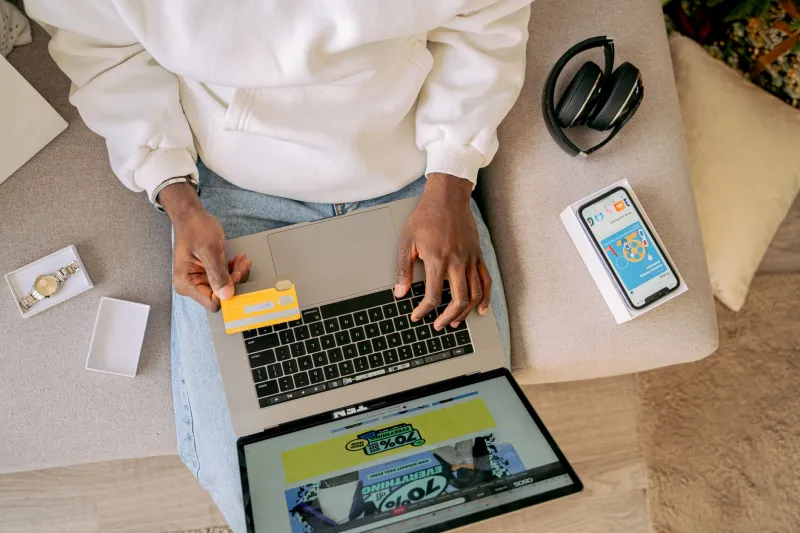
Mega-Store Mind Games: How Giant Retailers Get You to Buy Stuff You Never Planned On
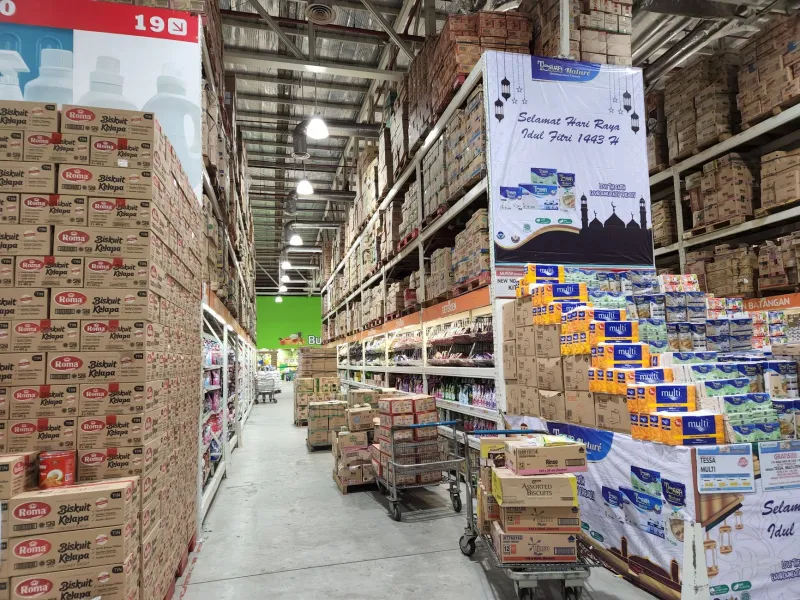
Let's set the scene. You open a tab — or walk through those automatic sliding doors — with a very specific mission. Maybe it's a phone charger. Maybe it's laundry detergent. Maybe it's just one thing. You know what you came for. You are a focused, intentional adult.
Forty-five minutes later, your cart has seventeen items in it, and you genuinely cannot explain how that happened.
Welcome to the one-stop trap.
Mega-retailers — whether we're talking about the big-box giants of American suburbia or their digital equivalents — have spent decades and billions of dollars figuring out exactly how to turn a focused shopper into a wide-eyed browser. And the scary part? It works on almost everyone, almost every time.
The Architecture of Temptation
Physical mega-stores are famously designed to disorient. Essentials like milk, batteries, and over-the-counter medicine are buried deep inside the store. You have to walk past camping gear, seasonal décor, and a surprisingly robust automotive section just to get to what you actually need. This isn't an accident — it's a deliberate layout strategy called destination product placement, and it's been studied, tested, and refined for decades.
Online mega-stores do the same thing, just digitally. You search for a USB cable and suddenly there's a carousel of "customers also viewed" items that somehow includes a standing desk, a Bluetooth speaker, and a set of silicone kitchen utensils. The algorithm isn't being helpful. It's being strategic.
"The goal is to extend dwell time," says consumer behavior researcher Dr. Priya Mehta, who studies retail psychology at a mid-Atlantic university. "The longer you spend in a retail environment — physical or digital — the more likely you are to make unplanned purchases. Everything about the design is engineered toward that single outcome."
Decision Fatigue Is the Real Villain
Here's the thing about having everything in one place: it sounds like a convenience. And it is, initially. But there's a dark side to that convenience that most shoppers don't see coming.
Decision fatigue is a well-documented psychological phenomenon where the quality of your decisions deteriorates after you've made a lot of them in a row. Your brain has a finite amount of decision-making energy per day, and shopping — even casual browsing — burns through it faster than you'd think.
When you're navigating a mega-store's 30 product categories and comparing dozens of options within each one, you're burning through that mental fuel at a rapid pace. By the time you've picked out your main items, your brain is tired. And a tired brain defaults to the path of least resistance: yes.
That's when the impulse buys happen. The $14 candle near the checkout. The "why not" snack pack. The travel pillow you don't need but suddenly feel like you deserve after all that decision-making. Retailers know this. They count on it.
The Cross-Category Illusion
One of the sneakiest tactics in the mega-retailer playbook is what marketers call cross-category merchandising. This is when unrelated product types are placed in proximity to each other — either physically or algorithmically — to create associations that wouldn't naturally exist in your brain.
Think about how a grocery store might place a high-end olive oil next to a pasta display. Or how a home goods section might sit right next to the electronics aisle, so you're browsing for a TV and suddenly thinking about a new coffee table. Online, this shows up as bundle suggestions, "complete the look" features, and those relentless "frequently bought together" modules.
The message being sent to your brain isn't subtle: these things belong together. And once your brain accepts that framing, buying both feels logical — even necessary — rather than impulsive.
"Retailers are essentially writing a story for you," says retail strategist Marcus Webb, who has consulted for several national chains. "They're saying, 'Here's who you are, here's what your life looks like, and here's everything you need to support that vision.' It's aspirational marketing disguised as convenience."
The Loyalty Loop That Keeps You Coming Back
Mega-stores don't just want your cart today. They want your cart forever. That's where loyalty programs, subscription perks, and exclusive member pricing come in. These systems are designed to create a psychological sense of belonging — and a financial incentive to stay.
Once you've signed up for a store's membership tier, every purchase feels like you're maximizing value. Leaving the ecosystem starts to feel like leaving money on the table. This is called sunk cost psychology, and it's one of the most effective retention tools in retail.
The result? You stop comparison shopping. You stop questioning whether a product category even makes sense for this particular retailer. You just... buy it there, because that's where you buy things now.
So What Can You Actually Do?
Knowledge is genuinely power here. Once you understand the systems at play, you can start to work around them — or at least make more intentional choices.
Make a list and treat it like a contract. Before you open a shopping tab or walk into a store, write down exactly what you came for. Before adding anything else to your cart, ask yourself: Would I have come here specifically for this item? If the answer is no, pause.
Shop with a time limit. Decision fatigue is real, and it gets worse the longer you browse. Give yourself a cap — 20 minutes online, one loop through the store — and stick to it. Urgency cuts through the fog.
Ignore the bundles. "Frequently bought together" and "complete your purchase" modules are not personalized recommendations. They're revenue optimization tools. Treat them accordingly.
Use search, not browse. On digital platforms especially, going directly to a search bar and typing what you need is far less manipulative than browsing category pages. The algorithm has less surface area to work with.
Sleep on the cart. Most platforms let you save items for later. If something ended up in your cart that wasn't on your list, save it and come back in 24 hours. A huge percentage of those items will feel completely unnecessary the next day.
The Bigger Picture
None of this means mega-stores are evil or that one-stop shopping is a scam. Convenience is genuinely valuable, and there's real efficiency in consolidating your purchases. But there's a difference between using these platforms as tools and letting them use you.
The retailers have done their homework. They know how your brain works under pressure, under choice overload, and under the warm glow of a well-designed interface. The least we can do is show up with a little homework of our own.
Your cart should reflect your actual life — not the aspirational version a mega-store constructed for you somewhere between the kitchen gadgets and the seasonal throw blankets.
Shop with your eyes open. Your wallet will thank you.