Clicked In or Checked Out: What Separates a Store That Pulls You In From One That Pushes You Away

You've been there. You click a link, a store loads, and within about four seconds you've already decided whether you're staying or bouncing. No one told you to feel that way. Nothing dramatic happened. But something — a color, a layout, a slow-loading banner image — sent a signal straight to your gut, and your gut made the call.
That split-second judgment isn't random. It's the result of a whole stack of design decisions, psychology tricks, and technical choices that either work with your brain or against it. And when you're shopping somewhere that carries everything from throw pillows to protein powder (you know the type), getting that vibe right matters even more.
Let's break down what actually separates a store that feels like a good hang from one that feels like a waiting room at the DMV.
Speed Is the New Courtesy
Nothing kills a shopping vibe faster than a site that loads like it's buffering on 2009 internet. Studies consistently show that if a page takes longer than three seconds to load, nearly half of users are already gone. That's not impatience — that's just the baseline expectation Americans have developed after years of Amazon-speed everything.
When a site loads fast, it communicates something beyond functionality. It says: we have our act together. It signals investment, care, and respect for your time. Retailers like Target and Zappos have poured serious money into shaving milliseconds off their load times, and it shows in how seamless the experience feels.
On the flip side, a slow site makes every click feel like a gamble. Is this page loading or is it frozen? Did my cart update or not? That uncertainty creates friction, and friction is the enemy of a good vibe.
Color Does More Than You Think
Here's something most shoppers never consciously register: the color palette of a website is actively influencing how you feel while you browse. This isn't woo-woo stuff — color psychology is well-documented and taken very seriously by retail designers.
Blues and greens tend to communicate calm and trustworthiness (think PayPal, Whole Foods). Warm reds and oranges create urgency and excitement — which is why clearance banners are almost never pastel. High-contrast black-and-white setups read as sleek and premium. And a chaotic mix of competing colors? That reads as noise, and noise is exhausting.
The stores that nail their color story create a consistent emotional atmosphere. You feel something — relaxed, energized, curious — and that feeling gets associated with the brand itself. The stores that skip this homework feel visually cluttered, like someone threw a bunch of stuff at the wall and hoped for the best.
The Discovery Factor: Can You Actually Find Anything?
Product discovery is one of the most underrated elements of a great shopping experience. It's not just about having a search bar that works (though please, let the search bar work). It's about whether the store helps you find things you didn't even know you wanted.
The best retailers use a combination of smart category organization, personalized recommendations, and editorial moments — like a "trending this week" section or a curated collection — to guide you through their inventory without making it feel like a chore. Browsing starts to feel like wandering through a well-organized store where things just make sense.
Compare that to a site where the navigation is buried, the filters are broken, and the homepage is a wall of unrelated products with no clear logic. That's not discovery — that's a scavenger hunt you didn't sign up for. And most people don't stick around to finish it.
Customer Service: The Vibe Check You Didn't Know Was Happening
Here's a sneaky one: the availability of customer support changes how you feel about a store even if you never use it. Knowing there's a live chat option, a real phone number, or a responsive email address creates a low-level sense of security while you shop. It's like having a safety net you hope you never need.
Stores that make it genuinely easy to get help — and that respond quickly when you do reach out — build a kind of trust that's hard to quantify but very easy to feel. Chewy has built an almost cult-like following partly because their customer service is famously warm and responsive. People talk about it. They come back because of it.
Stores that hide their contact info, respond with auto-generated non-answers, or simply ghost you after a purchase? They don't just lose your future business — they create the specific kind of frustration you warn your friends about.
The Micro-Moments That Make or Break It
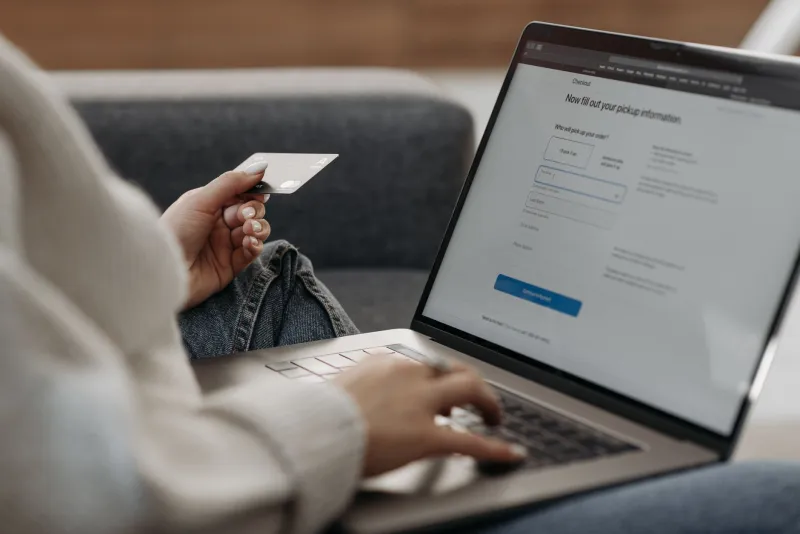
Beyond the big stuff, a store's vibe is also built from a hundred tiny moments you might not consciously notice. Does the "add to cart" button have a satisfying little animation? Are product photos consistent and high quality, or are they a mix of stock images and blurry phone shots? Does the checkout flow feel smooth, or does it suddenly ask you to create an account right when you're ready to pay?
Each of these micro-moments sends a message. Together, they either reinforce the feeling that this is a place worth spending your time and money, or they slowly chip away at your confidence until you decide it's not worth the hassle.
The stores that obsess over these details — that A/B test their button colors and rewrite their error messages to sound human — are the ones that end up with loyal customers who feel weirdly attached to a website. And that's not an accident.
What This Means for You as a Shopper
Understanding what goes into a great shopping experience doesn't just make you a more informed consumer — it gives you a framework for trusting your instincts. When a store feels off, something probably is off. When it feels effortless, that effortlessness was earned through real design decisions and genuine investment in the customer experience.
The next time you land somewhere new and feel that immediate sense of ease — or immediate dread — pay attention to it. Your gut is reading a lot of signals really fast, and more often than not, it's right.
Some stores just have the vibe. Others are still working on it. And now you know exactly why.