Bundle Up, Brain Down: The Sneaky Reason Buying More Feels Like Winning
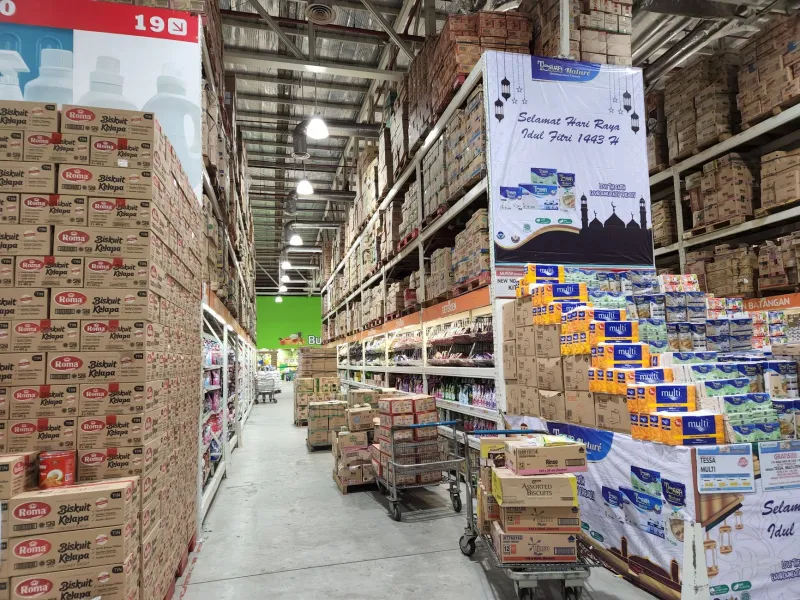
Picture this: You're scrolling through your favorite all-in-one shop — the kind that sells everything from throw pillows to protein powder — and you spot it. A bundle deal. Three items, one price, a little badge that says "Best Value." Your pulse ticks up slightly. You feel clever. You feel efficient. You add it to your cart before you've even finished reading what the third item actually is.
Sound familiar? That's not an accident. That's neuroscience working against your wallet.
Your Brain Has a Favorite Type of Deal (And It's Not the One You Think)
Here's something kind of wild: a $10 discount on a $40 item and a bundle that groups three $15 items together for $35 can produce completely different emotional responses — even when the actual savings are nearly identical. The bundle wins almost every time. Not because of the math, but because of what it signals to your brain.
When you snag a straightforward discount, your brain registers a simple transaction. Price went down. Okay. Cool. But when you grab a bundle, something more complex kicks in. You're not just saving money — you're solving a problem. You're curating. You're being strategic. The brain interprets bundling as a decision-making win, which triggers a dopamine release tied not just to reward, but to competence.
In other words, bundles don't just feel like a deal. They feel like proof that you're good at this.
The "Savvy Shopper" Illusion
Retailers — especially the massive, everything-under-one-roof kind — have quietly mastered this psychology. When a site groups a face wash, a toner, and a moisturizer into a "Complete Skincare Starter Kit" at a slightly reduced price, they're doing more than offering convenience. They're handing you an identity: the person who gets skincare, who doesn't just buy one random product but builds a routine.
That identity piece is huge. Americans, in particular, have a deeply embedded cultural relationship with the idea of being a smart consumer. We love a good deal the way we love a good sports upset — it's an underdog story where we're the hero. Bundles tap directly into that narrative. You're not overspending; you're optimizing.
The problem is that this feeling of optimization often has nothing to do with actual value. Studies in behavioral economics have consistently shown that people will pay a premium for bundled goods compared to what they'd spend selecting those same items individually — if they were even going to buy all those items in the first place. That third item in the bundle? The one you didn't really need? It's doing a lot of heavy lifting for the retailer's margin.
Why "Perceived Value" Is the Real Currency
There's a concept in consumer psychology called perceived value — basically, how good a deal feels versus how good it actually is. And the gap between those two things is where bundle deals live rent-free.
When you see a bundle priced at $49.99 with a crossed-out "retail value: $72," your brain doesn't run the numbers. It sees a before and an after, and it fills in the emotional story: Someone else would've paid $72 for this. I'm paying $49. I am winning. The crossed-out price is almost fictional — it often represents an inflated "if you bought each item separately at full price" scenario that almost no one would actually encounter. But that doesn't matter. The visual cue is enough.
This is sometimes called the "anchor effect," and it's one of the oldest tricks in the retail playbook. The original price becomes the anchor; everything below it feels like a rescue.
The One-Stop Shop Advantage
All-in-one retailers have a particular edge when it comes to bundling psychology, and it's not just because they carry more products. It's because discovery is part of their experience. When you're already browsing a store that has everything, encountering a bundle that introduces you to a product you've never tried feels like the store is doing you a favor — like a knowledgeable friend saying, "Oh, if you liked that, you'll love this."
This is what makes bundling so powerful in the all-in-one context: it mimics the feeling of personalized curation, even when it's completely algorithmic. You feel seen. You feel understood. And that emotional warmth makes you significantly less likely to interrogate whether you actually needed the second or third item in the deal.
Some behavioral researchers describe this as the "fluency effect" — when something feels easy and intuitive to decide, we trust it more. A well-designed bundle removes friction. It pre-makes the decision for you, and your brain rewards that ease with a hit of satisfaction that feels indistinguishable from genuine savings.
How to Shop Bundles Without Getting Played
None of this means bundles are inherently evil. Sometimes they're genuinely great deals, especially when you were already planning to buy all the included items. The key is slowing down long enough to separate the dopamine buzz from the actual math.
A few quick gut-checks before you click "add bundle to cart":
- Would you buy each item individually? If the honest answer is "probably just the one," the bundle is making you spend more, not less.
- Do the math yourself. Don't rely on the crossed-out "retail value." Add up what you'd actually pay for the items you want.
- Ask what problem it's solving. If the bundle is genuinely filling a need — like a complete kit for something you're starting — great. If it's just feeling efficient, that's the dopamine talking.
- Wait 10 minutes. Seriously. The urgency you feel around a bundle deal is partly manufactured. Give your prefrontal cortex a chance to catch up.
The Vibe Beneath the Deal
At the end of the day, bundle psychology is a masterclass in how modern retail blurs the line between shopping and emotion. The best all-in-one stores aren't just selling products — they're selling a feeling of being taken care of, of having things figured out, of making the smart call in a world with too many options.
That's not nothing. Feeling good while you shop is genuinely part of the experience. But it's worth knowing when the good feeling is doing the work that logic should be doing instead.
Because sometimes the biggest win isn't the bundle. It's closing the tab with your budget intact — and your brain still thinking it came out ahead.